
Reviewed · FUNCHAL OLD TOWN & ZONA VELHA WALKS
Funchal: famous places and magical corners.
Funchal tells its story on foot. This walking tour threads through 600 years of Madeira history, from sea-defense walls to baroque churches and Gothic cathedral views, with little side streets that most people miss. You start at the Jardim do Almirante Reis by the steamship Mosquito, then keep moving through the city’s everyday scenes and big monuments.
I love two things most. First, I like the local guides: you’ll meet Carlos or Rosario, and either one is a long-time Funchal resident with a real passion for the city’s past and the small details you only learn on the ground. Second, I really appreciate that every stop is free of charge, so you’re not constantly checking tickets or paying entrance fees.
One thing to plan for: the walk includes some uphill and stair-street walking to reach Quinta das Cruzes. It’s in the flatter city center, but you still need to walk up about 200 meters and then go down stairs on the approach, so this isn’t the right fit if you have mobility limits.
In This Review
- Key Highlights You’ll Feel Right Away
- From Mosquito Steamboat to Old-Port Funchal
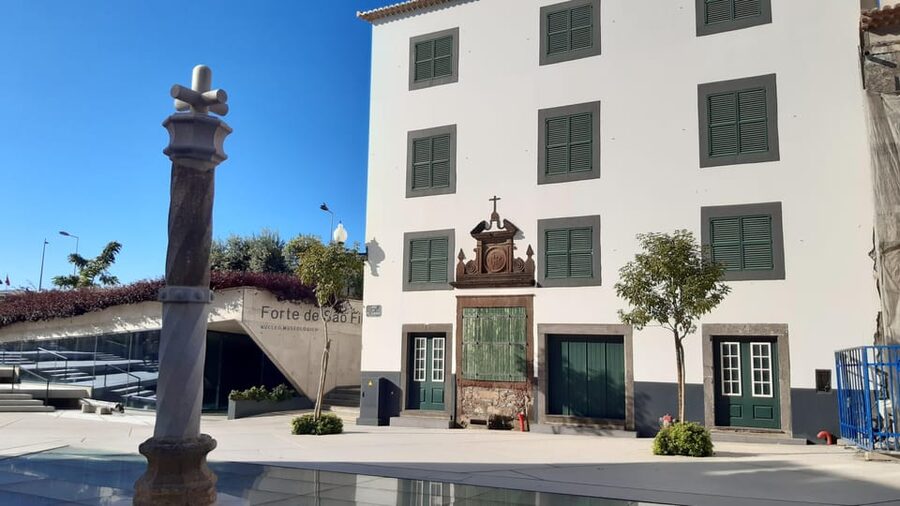
- Fort São Tiago: A Fortress With a View for a Reason
- Rua de Santa Maria: Painted Doors and the City’s Artistic Side
- The Market Stop That Makes Funchal Feel Real
- Municipal Garden Break: A Green Pause in the Middle of the City
- Quinta das Cruzes: Gardens, the Mansion Feel, and a Stair-Real-Talk Moment
- A Secret Stop and a Local Bakery Break (The Parts You’ll Remember)
- Sé Cathedral: The Big Gothic Finish
- How Much Is This Tour Really Worth?
- Timing, Language, and Pacing Tips That Actually Help
- What to Bring and What to Avoid
- Who This Funchal Walk Fits Best (and Who Should Skip It)
- Should You Book This Funchal Walking Tour?
- FAQ
- Where do I meet the guide?
- What time do the tours start?
- How long is the walk?
- Is this tour private?
- What languages are available?
- Are entrance fees included?
- What isn’t included in the price?
- What should I bring?
- Is the tour wheelchair-friendly or okay for young children?
Key Highlights You’ll Feel Right Away
- Start by the Mosquito steamboat at Jardim do Almirante Reis, a great place to get oriented.
- Fort São Tiago sea views with fortress history that connects to Madeira’s maritime past.
- Rua de Santa Maria painted doors that turn a regular street into an outdoor gallery.
- Farmers market and a bakery stop for the lived-in side of Funchal, not just monuments.
- Quinta das Cruzes gardens and museum with a short but real hill and stair-street stretch.
- Sé Cathedral as the finish with a big Gothic moment to close the loop.
Keep wandering the cobbles of the Zona Velha and old Funchal.
- Old Funchal Walking Tour★ 4.5 · 511 reviews
- Funchal: Guided Tuk Tuk Tour to Toboggan Rides & Old Town★ 4.9 · 308 reviews
- Private Sidecar Tour – Downtown Funchal for 1 or 2 People★ 5.0 · 30 reviews
- Funchal by Night: Downtown Sidecar Experience★ 5.0 · 8 reviews
From Mosquito Steamboat to Old-Port Funchal
The tour begins at the Jardim do Almirante Reis, right by the steamship Mosquito on display. It’s a clever starting point because Funchal’s story is tied to the sea—shipping routes, ports of call, and all the movement that brings both trade and trouble. And it sets the tone for the whole walk: you’re not just looking at buildings, you’re getting the why behind them.
From there, you move through the city’s older core, where you can feel the mix of eras—Madeira’s role in wider maritime routes, the later chapters of pirate fears, and even the fact that European royalty came to Funchal for its mild climate and the landscapes they couldn’t get elsewhere. Your guide keeps those connections clear as you pass monuments and regular streets.
One practical tip: treat this like an outdoor walking day. You’ll want comfortable shoes and you’ll be glad you brought water. The tour timing is long enough to notice heat and short enough that you can still enjoy breaks and photo stops without rushing.
Fort São Tiago: A Fortress With a View for a Reason
Fort São Tiago is your first major “wow” stop. It sits over the sea, so the views aren’t just pretty—they’re part of the explanation. Fortifications like this weren’t built for decoration. They were built because people wanted eyes on the water, early warning, and a way to defend a port city when it mattered.
Your guide ties the fortress to the city’s older anxieties: the era when ships came and when threats also arrived. Even if you don’t memorize every date, you’ll understand the logic. Madeira was both a stop people wanted and a place that needed protection.
Photo tip that actually helps: take a couple pictures from the main viewpoint, then watch the sea edge for a minute before you move on. It’s the quickest way to make the geography click. This is one of those stops where a small bit of attention pays off later when you see the cathedral and the grander architecture.
Rua de Santa Maria: Painted Doors and the City’s Artistic Side
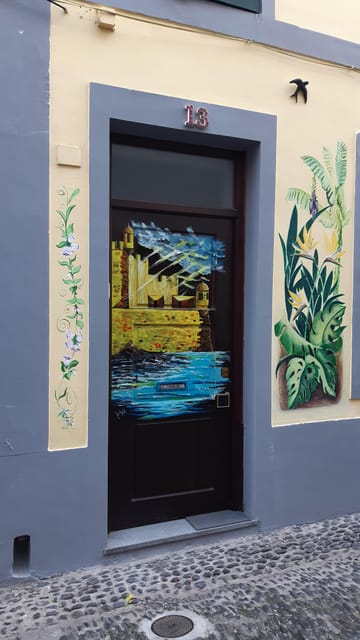
After the fortress, you head along Rua de Santa Maria. This street is famous for its colorful and artistic painted doors. It’s the kind of detail most people walk past at cruise speed. On this tour, it becomes a mini lesson in how local culture shows up where you’d least expect it: right at street level.
You’ll also notice how the painted doors make the city feel “alive,” even when you’re surrounded by older stone and historic church shapes. It’s art that locals actually live around, not just something behind glass.
If you like street photography, this is a good stretch to slow down. Look for door patterns, signage styles, and small neighborhood touches that don’t scream tourist checklist.



The Market Stop That Makes Funchal Feel Real
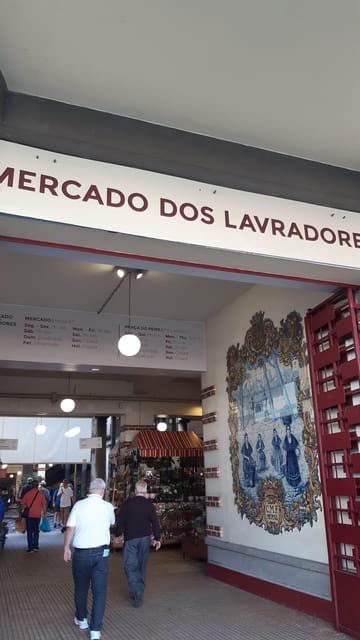
Next comes the farmers market area in Funchal, a place where you get aromas, colors, and local rhythms all at once. This is a smart inclusion because it balances the heavier history stops with the everyday Madeira side—how people shop, chat, and pass time.
I like that the market stop isn’t treated like a lecture hall. You’ll have time to look around, and your guide can point out what makes it feel distinct. It’s also a practical moment for you: if you want to grab a snack later or you’re just trying to understand what local food culture looks like, this is where you start forming that picture.
And yes, there’s a local bakery stop later too, so you’ll likely end up thinking about pastries and sweet breaks by the time you reach Quinta das Cruzes. (Just be sure you keep some room in your plan for water and sunscreen. You can only eat what your body can handle in the sun.)
Municipal Garden Break: A Green Pause in the Middle of the City
The highlights for this tour include the Municipal Garden—so expect a calmer break in the middle of the walk. Even if you’re not spending ages here, a green pocket changes the rhythm. You get shade, you reset your legs, and you can appreciate the contrast between monumental stops and everyday city flow.
This is especially helpful because the walk covers a lot of ground in a couple of hours. A small pause like this keeps the experience from turning into nonstop sightseeing.
Quinta das Cruzes: Gardens, the Mansion Feel, and a Stair-Real-Talk Moment
Quinta das Cruzes is where the tour shifts into a different kind of history. You’ll visit the historic mansion area and its gardens, plus the museum component at Quinta das Cruzes. This is a great stop if you like architecture and curated grounds—but even more, it helps you understand how Funchal attracted European attention.
Your guide’s job here is to connect the mansion and gardens to the broader story of royalty and prestige, but also to explain what makes this place feel grounded in Madeira’s local identity. You’re not just touring a beautiful estate; you’re learning how people lived and displayed status in a place known for its climate and its connections.
Now for the warning that’s actually important: to reach Quinta das Cruzes, you need to walk up about 200 meters and then go down a staircase street. The tour notes say the city center is flat, but this segment is not.
If stairs are tough for you, this is the moment to reconsider. I’d rather you adjust plans early than feel miserable halfway down.
A Secret Stop and a Local Bakery Break (The Parts You’ll Remember)
Between the major landmarks, you’ll hit a secret stop and then a local bakery stop. The exact details aren’t spelled out in advance, but the purpose is clear once you experience it: it breaks the pattern of only big monuments and gives you a more personal feel for the city.
These are the moments that create stories in your head later. A secret corner helps you remember Funchal as a place of side streets and offbeat angles, not just the postcards. The bakery stop adds a practical reward—something small, local, and easy that makes the walking feel worth it.
If you’re trying to keep costs down, you can treat the bakery stop as optional. The tour itself covers the guiding experience and the free-entry sights. Any food or drinks you choose to buy on your own are on you.
Sé Cathedral: The Big Gothic Finish
You end at Sé Cathedral do Funchal. This is a majestic Gothic cathedral and a major symbol of the city. Finishing here feels right because it pulls everything together: maritime history, royal attention, baroque church influence, and the long timeline that shaped Funchal into what it became.
Even if you’ve seen Gothic churches elsewhere, you’ll feel how location matters. The cathedral doesn’t just exist as a standalone monument. It sits inside the city’s story, and your guide’s earlier explanations help you see it as part of the same historical thread.
Before you wrap up, take a minute to look outward from the cathedral area rather than only up at the architecture. You’ll better understand the city’s shape and how these buildings related to the streets around them.
How Much Is This Tour Really Worth?
It costs $50 per person, and it runs about 2.5 hours. That price can look simple on paper, but the value comes from what’s included: you get a guided walking experience plus free-of-charge visits at the places on your route. So you’re paying mainly for local interpretation, not a stack of paid entries.
The tour is also private, which matters if you want a pace that fits you. One of the nicest parts is that you’re not forced to keep up with a crowd moving like a metronome.
On top of that, the tour is marked as carbon neutral, which you might care about more or less depending on your travel style. Either way, it signals that the operator thinks about impact.
One more practical pricing note: drinks, snacks, and personal expenses aren’t included. Bring water so you’re not scrambling mid-walk.
Timing, Language, and Pacing Tips That Actually Help
Tours run with starting times at 10 am and 11 am, Monday to Saturday. It’s a short enough duration that you can fit it into most Madeira itineraries without eating your whole day.
The guide speaks English or Spanish. If you’re comfortable with either, you’ll get full value because the tour is built around stories and interpretation, not just silent looking.
Pacing is another big deal here. You can move at a comfortable speed, especially because this is a private group. Still, do yourself a favor: plan your day so you’re not rushing to something right after the tour. Comfort matters more than you think with a walk that includes some stairs to reach Quinta das Cruzes.
What to Bring and What to Avoid
Bring:
- Comfortable shoes
- Sun hat and sunglasses
- Camera (yes, you’ll want it)
- Water and sunscreen
- Comfortable clothes (and in cooler months, a light layer since rain can happen)
Avoid:
- Pets
- Weapons or sharp objects
- Baby strollers
- Bikes
- Bags
This is the kind of tour where a small day bag is much easier to manage than bulky luggage. Think light and practical.
Who This Funchal Walk Fits Best (and Who Should Skip It)
This tour is best for you if you want history plus real city texture: forts, churches, markets, and that mix of grand sites with quiet corners. It’s also ideal if you enjoy learning details from a local guide who’s lived in Funchal for years and knows how to connect the dots.
It’s not suitable for:
- Children under 6 years
- Pregnant women
- Wheelchair users
- People over 80 years
- People over 70 years
- People with limits that make stair-street walking hard
If you’re in that group, you might still enjoy Funchal, but this particular route sounds like it would be uncomfortable.
Should You Book This Funchal Walking Tour?
Yes, I’d book it if you want a compact way to see the historic core of Funchal with an expert local guide and without paying entrance fees at each stop. The tour’s strength is the blend: Fort São Tiago for sea-defense context, Rua de Santa Maria for colorful street art, a market for everyday Madeira life, Quinta das Cruzes for the mansion-and-gardens contrast, and Sé Cathedral to close with a big architectural statement.
Book it with caution only if stairs and uphill segments are a problem for you. If that’s the case, you’ll enjoy Funchal more with a route that matches your mobility better.
If you’re traveling with flexible timing, pick either the 10 am or 11 am start (Monday to Saturday) and plan a relaxed buffer afterward. This is a great walk for getting your bearings fast, then exploring on your own with a better sense of what you’re seeing.
FAQ
Where do I meet the guide?
You’ll meet next to the steamship Mosquito at Jardim do Almirante Reis.
What time do the tours start?
Starting times are 10 am and 11 am from Monday to Saturday.
How long is the walk?
The tour lasts about 2.5 hours.
Is this tour private?
Yes, it’s a private group tour.
What languages are available?
The tour is guided in English and Spanish.
Are entrance fees included?
Yes. The tour visits places that are free of charge, so you don’t pay entrance fees for the sights on the route.
What isn’t included in the price?
Drinks, snacks, personal expenses, and transfers to/from your lodging are not included.
What should I bring?
Bring comfortable shoes, sunscreen, water, sunglasses, a sun hat, and a camera. Wear comfortable clothes and consider a light layer or umbrella in cooler months since rain can happen.
Is the tour wheelchair-friendly or okay for young children?
No. It’s not suitable for wheelchair users, and it’s also not suitable for children under 6 years.
More Tour Reviews in Funchal


Deeper into Old Funchal
Not quite right? More things to do around Funchal and Madeira
- Funchal: Sacred Art Museum of Funchal Entry Ticket
★ 4.6 · 3 reviews - Funchal: famous places and magical corners.
★ 4.7 · 3 reviews - Tuk Tuk Funchal City – Madeira Island
★ 4.8 · 3 reviews - Madeira: Private Laurisilva Tour
★ 5.0 · 3 reviews - Private Madeira tour 8 people
★ 5.0 · 3 reviews - Private Breathtaking Sunrise Private Jeep Tour
★ 5.0 · 3 reviews - Madeira Pack 1 – Santana + Porto Moniz+ Curral das Freiras
★ 5.0 · 3 reviews - Paradise Valley Madeira Island Walk
★ 4.5 · 3 reviews - Paradise Valley Beauty Walk
★ 5.0 · 3 reviews - Pico do Arieiro – Stairway to Heaven Hike – Sunrise Option
★ 5.0 · 3 reviews
Funchal Old Town & Zona Velha Walks, compared.
 ★ 4.5Old Funchal Walking TourFrom $19511 reviews
 ★ 4.9Guided Tuk Tuk Tour to Toboggan Rides & Old TownFrom $42308 reviews
 ★ 5.0Private Sidecar Tour – Downtown Funchal for 1 or 2 PeopleFrom $10830 reviews
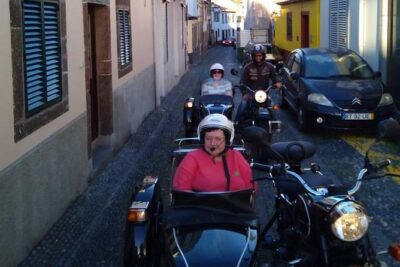 ★ 5.0Funchal by Night: Downtown Sidecar ExperienceFrom $1088 reviews
Browse the lists this tour appears in